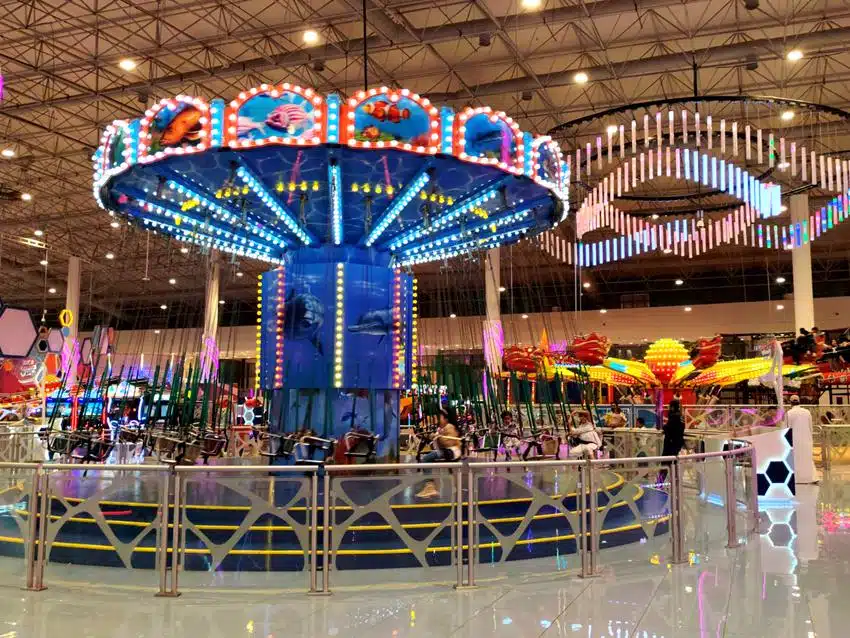
Have you ever wondered why different amusement parks attract different audiences—and why some parks achieve sustainable returns, while others struggle after the first season? It’s a question that both new investors and experienced operators quietly ask. Before discussing budgets, ride portfolios, or long-term ROI, it’s essential to understand the fundamental landscape: what types of amusement parks exist, who they serve, and how their operational models differ.
From a historical perspective, modern amusement parks evolved from 19th-century pleasure gardens and traveling fairs. Over time, advances in mechanical engineering, theming, and safety standards shaped a diverse ecosystem of park types—each with its own business logic, regulatory considerations, and guest experience patterns. And yes, for investors and procurement managers, these differences matter far more than most tourism articles suggest.
This guide provides a structured view of several major park types seen across global markets—from large destination theme parks to water parks, indoor amusement centers, and adventure-based outdoor formats. The goal isn’t tourism inspiration; it’s industry education + investment awareness + selection guidance, especially for those exploring the amusement sector for the first time.
Theme Parks
Theme parks build immersive worlds based on cultural stories, historical periods, or intellectual properties (IP). Guests expect coherent storytelling—from architecture to live shows, food and beverage, costumes, and even queue-line experiences. For operators, this level of immersion can translate into high per-capita spending and strong repeat visitation, particularly when supported by seasonal events.

Most successful theme parks sit in major tourist corridors or integrated resort zones. The business model depends on both destination travelers and local families, which stabilizes demand across seasons. In the Middle East, for example, cultural IP-parks have gained traction; in Asia, animated IP-based parks have driven strong youth and family markets.
Typical challenges include:
- High development budgets
- Multi-contractor integration (design, theming, ride systems, show control)
- IP licensing negotiations
- Compliance with international safety standards (CE, ASTM, EN, ISO)
Sinorides has collaborated with parks operating under various IP and cultural concepts—ranging from Fantasy Park (India) to Safari World (Oman)—supporting them with ride integration, theming compatibility, and long-term operational safety guidance.
Water Parks
Water parks focus on aquatic attractions such as wave pools, lazy rivers, children’s water play zones, and high-adrenaline drop slides. They appear frequently in warm-climate resort zones, coastal cities, or as seasonal municipal investments. Unlike fully immersive theme parks, water parks rely on sensory appeal—temperature, water flow, soundscapes—not storytelling.
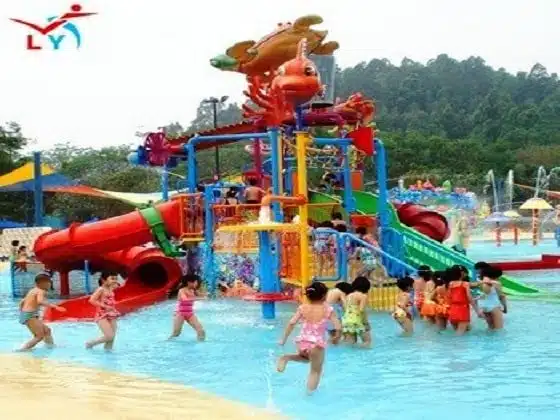
Target audiences tend to cluster in families and young adults. Interestingly, water parks often show higher daily throughput than classic amusement parks due to shorter attraction cycles and faster turnover. On the other hand, climate sensitivity can compress annual revenue into specific months—unless the facility is fully indoor and climate-controlled.
Key operational factors include:
- Advanced water filtration and sanitation systems
- Slip-resistant flooring and circulation design
- Lifeguard staffing and water safety protocols
- Seasonal maintenance and winterization (when applicable)
Compliance is strict because aquatic environments introduce continuous risk exposure. Many successful water parks in GCC countries now operate year-round with climate-controlled domes, reflecting global shifts toward weather-resilient design.
Adventure Parks
Adventure parks highlight physical challenges in natural outdoor environments—rope courses, zip-lines, climbing walls, bungee towers, and sometimes mixed obstacle paths. They appeal to groups seeking skill progression, team building, or personal thrill milestones rather than passive entertainment.

Interestingly, guests in adventure parks behave differently than in ride-centric parks. They slow down, analyze, negotiate risk in their minds, and often celebrate small victories—this produces memorable micro-narratives that strengthen word-of-mouth performance. School groups, corporate retreats, and sports tourism clusters frequently form the core audience.
Operational considerations include:
- Terrain modification and structural anchoring
- Harnessing standards, PPE, and belay systems
- High insurance premiums for high-risk activities
- Skilled instructor staffing and training pipelines
Some mountain regions in South America and Southeast Asia increasingly integrate adventure parks into eco-tourism circuits, blending environmental education with outdoor recreation—a trend shaping procurement demands for modular, relocatable equipment.
Indoor Amusement Parks
Indoor parks operate inside shopping malls, family entertainment centers (FECs), or mixed-use commercial complexes. Their rise is tightly linked with retail diversification—as malls seek footfall drivers, indoor parks offer a stable tenant model.
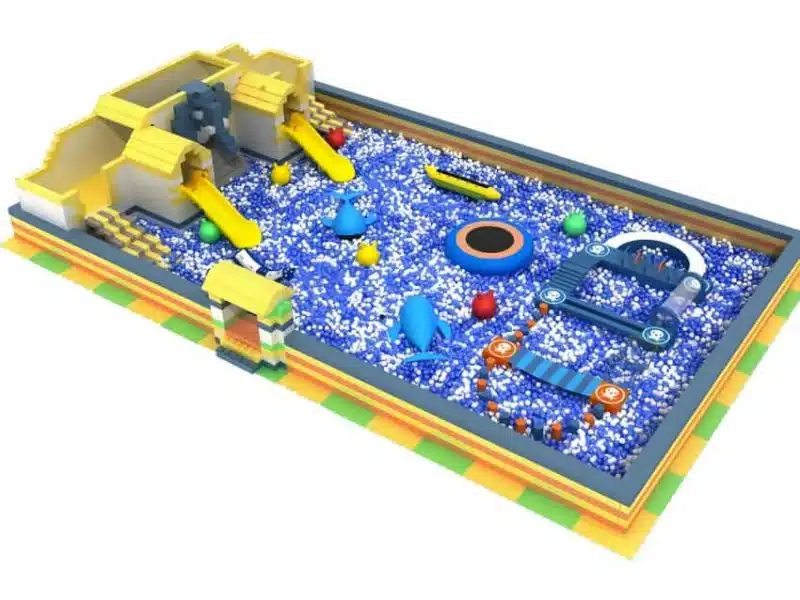
Indoor parks often mix:
- Compact family rides
- Soft play structures
- Trampoline zones
- VR or XR experiences
- Redemption games and F&B
The strongest competitive advantage is weather independence. Indoor parks operate reliably in regions with extreme heat, cold, or monsoon seasons. From a procurement standpoint, ride selection emphasizes low-noise, compact footprint, low-ceiling compatibility, and high repeat-play value.
Global examples span from U-world Luge Theme Park (South Korea) to New Celosia (Indonesia), where indoor centers sustain year-round operations and support both mall revitalization and family entertainment markets.
Carnival-Style Amusement Parks
Carnival-style parks—traveling fairs, seasonal ride clusters, and temporary event-based amusement setups—represent the oldest heritage of the industry. Mobility and rapid deployment are their defining characteristics. Instead of permanent foundations, operators rely on mobile-class equipment, modular fencing, and ticket booths.
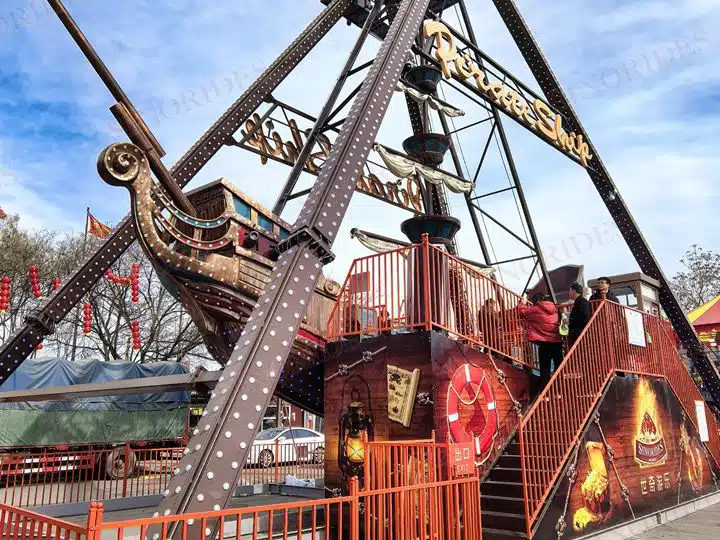
The business model depends on seasonal foot traffic, regional festivals, and temporary leases from municipal authorities. While ride portfolios are lighter, ROI cycles are faster because CapEx is lower and relocation expands market coverage.
Sinorides supports this segment through foundation-free amusement rides that comply with CE and ISO standards, deployed across markets from South Asia to Eastern Europe.
Shopping Mall Entertainment Parks
These hybrid parks combine rides, soft play, arcade redemption, and family attractions—primarily to increase dwell time and retail conversion inside large malls. In emerging markets such as the Middle East and Southeast Asia, families treat malls as social gathering hubs due to climate and cultural habits. As a result, mall parks act more like anchor tenants than standalone attractions.
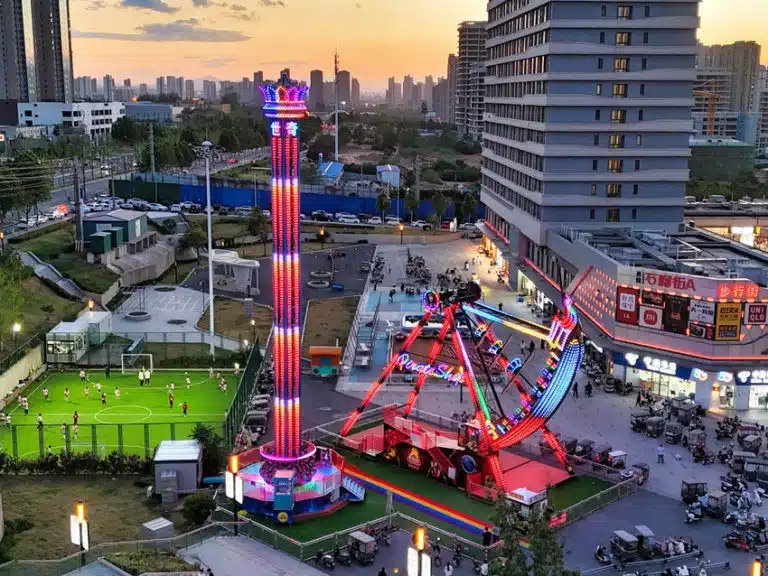
Their procurement logic focuses on:
- High uptime
- Compact design
- Low structural load
- Sensory experiences for young children
Wildlife & Safari Parks
Safari parks and zoological wildlife centers emphasize living animal encounters. Modern facilities increasingly adopt education + conservation models, offering guided safaris, habitat simulations, and themed play zones. Guest satisfaction relies more on interpretation quality than thrill rides.
However, regulatory burdens are high:
- Veterinary compliance
- International wildlife transfer rules
- Biosecurity standards
- Specialized staff training
Municipal Parks
Municipal amusement parks are government-funded or city-operated facilities designed to provide low-cost recreational access to residents. They prioritize public safety, affordability, and accessibility, often incorporating inclusive play concepts for individuals with disabilities.
CapEx and ride selection are conservative, focusing on family rides, observation wheels, and children’s attractions that balance maintenance load with community value.
IP-Branded Parks
IP-branded parks revolve around famous animation franchises, movie universes, or cultural characters. Licensing, merchandising, and integrated storytelling drive revenue, while reputation risk and brand consistency drive operational discipline.
Barriers to entry are high due to:
- IP licensing contracts
- Theming accuracy
- Merchandise ecosystem integration
- Media collaboration cycles
Resort-Based Amusement Parks
These parks are built as extensions of resort ecosystems—common in island destinations, private beaches, and integrated tourism zones. Guests arrive primarily as hotel customers, not day guests. ROI depends on overall occupancy uplift and ancillary spending rather than standalone ticketing revenue.
Conclusion: Matching Park Type to Business Intent
Selecting a park type is not a creative exercise—it’s a strategic alignment between market demand, climate, investment appetite, and operational capability. An investor in a desert climate may prioritize indoor or water-dome concepts; a mall operator may choose compact indoor rides; a municipal authority may focus on inclusive, low-risk family attractions.
For operators, procurement managers, and new investors exploring the amusement sector, professional guidance reduces project risk across compliance, lifecycle cost, throughput modeling, and long-term ROI.
Sinorides supports global operators with CE, SGS, ASTM, GOST, and ISO-certified amusement rides, serving projects in diverse contexts—from VGP Wonder World to Dushanbe Park (Tajikistan) and FABRIKUS WORLD (France)—spanning outdoor parks, indoor malls, waterfront resorts, and hybrid adventure centers.
If you are evaluating a park concept or selecting ride categories for a future development, professional early-stage input saves both time and capital. Operators and investors may contact Sinorides for structured planning support, equipment selection guidance, and full-lifecycle service from manufacturing to installation and training.